

What is twisting?
With the exception of monofilament thread, all threads used for suturing have some degree of twist applied to them. Most threads are two or three strands (the technical term for strands is strands) twisted together to form the final sewable product. If a particular thread is labeled #50/2 or #50/3, the number after the slash indicates the number of layers or strands that are twisted together to make the final, sewable thread. Each individual strand or ply also has multiple microstrands twisted together. An important component of thread quality is the number of twists applied to the thread within a given length, such as twists per meter. Loosely twisted line looks bulky and fluffy on a cone or spool. It unravels and shreds more easily than tightened wire.
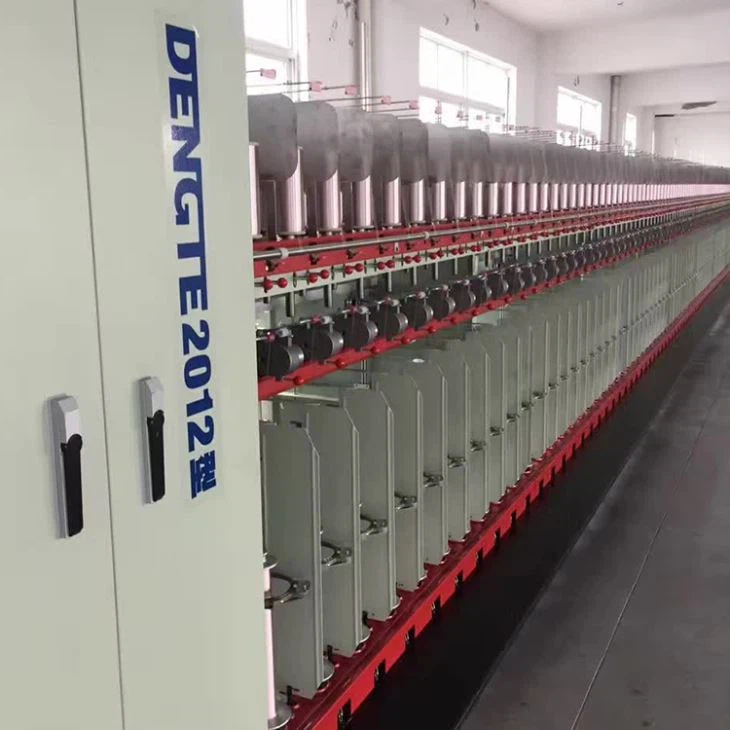

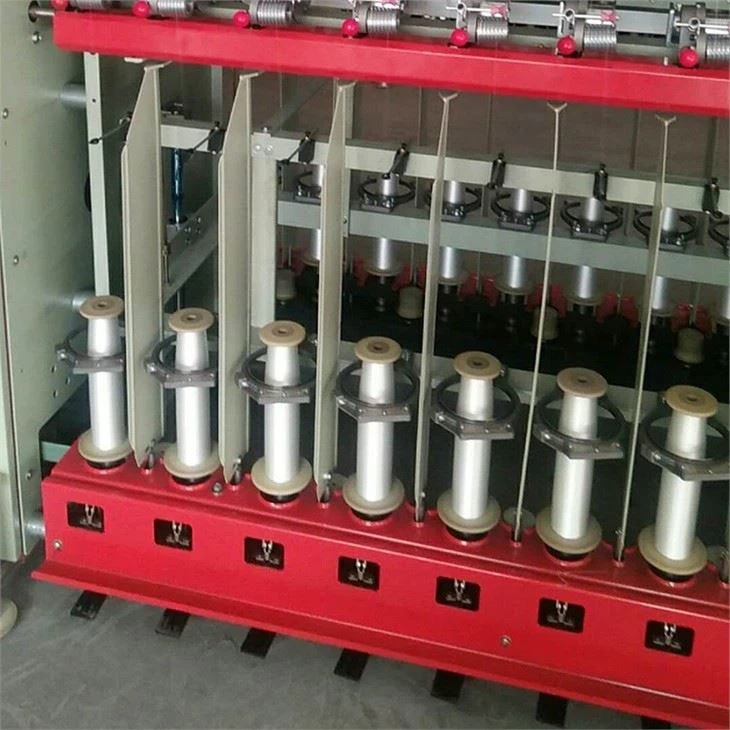

Imagine the thread moving along the line of a sewing machine or long arm machine, passing through the tension disk and then through the needle. If the thread has a loose twist, it can easily get snagged, pinched, or snagged. Slight snags can cause lint buildup as tiny pieces tear off the thread as it passes along the thread path at hundreds of stitches per minute. Strong obstruction or squeezing can cause disconnection. Tightly twisted wire has a smoother surface and won't get snagged or snagged easily
Although twist is never printed on the label, it is measured by the amount of twist applied per meter (approximately 3 feet). Loosely twisted yarn requires less total fiber content, takes less time to produce, and is less expensive. Low-quality, low-cost thread may have only 150 twists per meter. Think $0.99 tapered zigzag cord that can be easily untwisted by rubbing it with your fingers. It is cheap because it is not finely processed and has very low twist per meter. By comparison, high-quality thread can have up to 1,200 twists per meter. This produces a smooth surface and a consistent surface. Higher twist also compresses more wire content into a limited wire diameter, resulting in greater tensile (breaking) strength. This is one reason why high-quality wire breaks less often than low-quality wire.
Here's an exaggerated example of how the right twist affects the quality of your thread: Take a large bath towel, lay it on the floor, and measure the length. Let's say it's 48 inches long. Roll the towel lengthwise so that the rolled towel is still 48 inches long. Start twisting the towel. Remeasure the length after every 3-4 twists and you will find that the length has decreased by approximately two inches. Continue twisting the towel 10 more times and the towel will only be about 36 inches long. The length of the towel is reduced by 25%. However, the result is a very smooth rolled towel. Tightly twisted towels are also much stronger than loosely twisted towels. The more rotation (twisting), the smoother the surface.
If we start at 10,000 yards. With untwisted line and applying a loose twist, we would end up with 9,500 yards. The thread ends are lint-like, prone to breakage, and have an uneven, smooth appearance. If we use a higher twist-per-meter ratio to create high-quality thread, the final length of twisted thread will be approximately 7,500 yards. High quality thread requires approximately 20% more fiber than lower quality thread. Like most things, you get what you pay for.
What are S twist and Z twist?
Recently, there has been a lot of discussion and attention on S-twist and Z-twist. Some people refer to thread twist as left twist or right twist, but the correct term is S twist or Z twist. When sewing thread is constructed, it is composed of multiple strands of thread, usually two or three strands (also called strands or strands) twisted together, although some may have as many as six or eight strands twisted together. All sewing, embroidery or quilting thread made for domestic, industrial or long arm machines should have a final Z twist pattern.
The initial twist (or first twist) of each strand should be S twist. The strands are then twisted together in a final Z twist to form the thread. This is the same for any major brand of sewing, embroidery or quilting machine in the world. There are some threads that have opposite twists. Some hand quilting, knitting and weaving threads have a final twist of S twist. If you use thread with opposite twists, the thread will loosen instead of tighten as you sew. The threads are not marked with a twist pattern because it is not considered important to know. If you're using quality thread from a reliable company and stitching it for its intended use, there's a good chance it has the correct twist. If you find that your sewing thread unravels while sewing, the thread may not be suitable for machine work.


